"Your card details are safe" is not the good news retailers think it is
ASOS, Hobbs, Whistles and Phase Eight have all been hit this autumn. The apology emails say your card is safe, as if that's all that matters. It's the easiest thing to replace.

Ashley Adkins · · 3 min read
In October, ASOS customers opened the app to find a notification that read "ASOS HACKED". It had been sent by the people who'd broken in. A week later the company behind Hobbs, Whistles and Phase Eight had systems down after an attack of its own, and H&M was looking into hackers' claims about its data. All of this follows last year's attack on M&S, which cost it £324 million in lost sales.
Whenever one of these "we're sorry" emails lands in my inbox, I get annoyed. The part that annoys me most is the bit that's meant to make me feel better.
"Your payment details were not affected"
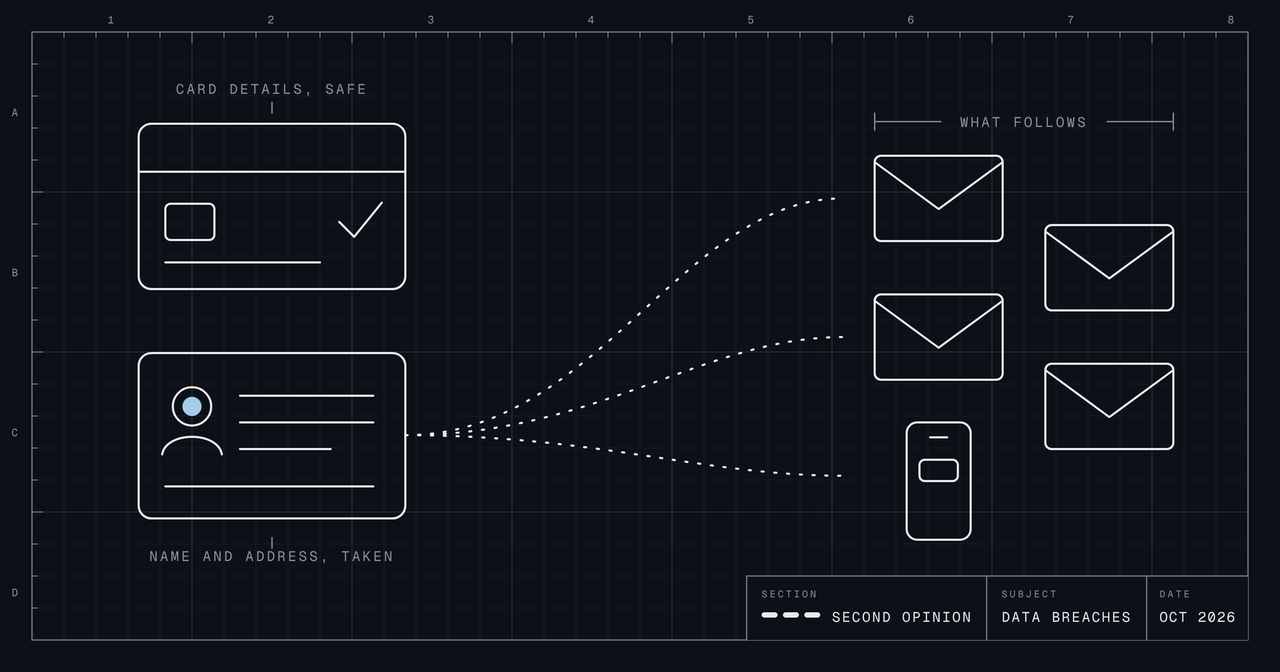
ASOS said card details and account passwords had not been accessed. The owner of Hobbs and Whistles said it had "no reason to believe that payment information is at risk". Almost every breach notice has a line like it, delivered as if that's all that matters.
Your card is the easiest thing to fix. If the number is stolen, the bank cancels it and posts you a new one.
Look at what ASOS says was taken: full names and contact details. You can't cancel your name. Most of us aren't going to change our email address, phone number or home address because a clothes shop lost them. Add an order history and a criminal has everything needed to write a very believable message about a delayed parcel or a refund.
That's what a breach like this really costs customers. Once my name, address and order history are out there, I can expect a flurry of phishing emails, and I'm the one who has to stay on the lookout for them.
How they got in
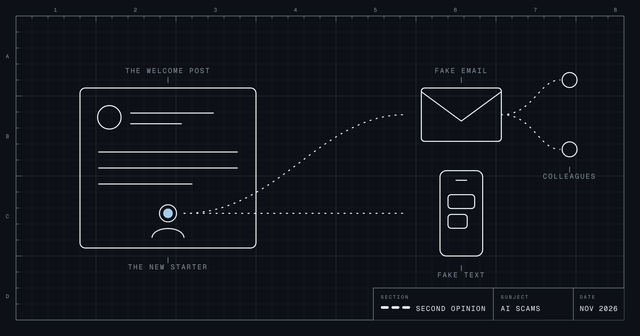
ASOS's own explanation is that "an unauthorised party gained access to an ASOS employee account by impersonating a trusted contact to obtain log in credentials."
So somebody pretended to be someone the employee trusted, asked for a login, and got one.
I think that's pathetic. It shouldn't have been possible. One member of staff being fooled should never be enough to reach customer data, and if it is, the right processes and systems aren't in place.
These are huge organisations. They have the budget to secure their systems properly, and they ought to have the desire. It's infuriating to watch them fall over like this.
"There is no action you need to take"
That's what ASOS told its customers, and it's not very good advice.
In fairness, the same statement reminded people that ASOS would never ask for passwords, security codes or payment details in an unexpected message or call. That's useful. It's also an admission that there is something you need to do, which is watch out for phishing emails, texts and phone calls, and keep watching for a good while.
What I do when one of these arrives
- I change the password for that account.
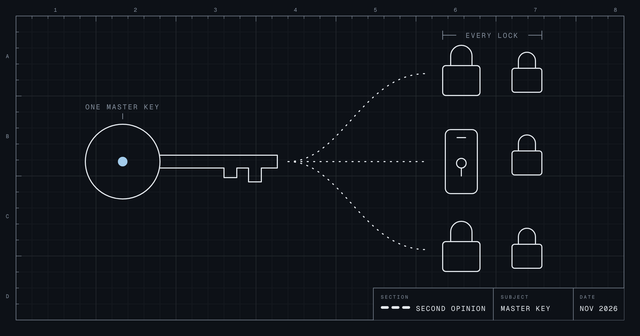
I do it even when the company says passwords weren't touched. It takes a minute, because I don't know any of my passwords. They're all random and they live in a password manager. - I make sure that password isn't used anywhere else.
Mine never are. If you've been living in the dark ages and still use one password for several sites, change it on every one of them. This is a good moment to start using a password manager. - I use two-step sign-in or a passkey wherever it's offered.
Then a stolen password is far less use to anyone. - I treat every message that mentions that shop as suspect.
If an email says there's a problem with an order, I don't click the link. I open the shop's app or type its web address myself and look there.
None of it is difficult, and all of it is worth doing before the next email arrives. If a shop tells you there's nothing you need to do, do it anyway.